Why Compliance Matters More Than Ever
When you install a large backup battery system, you’re not just adding extra power. You’re plugging into a complex web of safety codes, utility rules, and national standards. Missing a single step can lead to failed inspections, higher insurance costs, or worse—serious safety risks. That’s why compliance isn’t just a box to tick. It’s the foundation for reliable energy storage at home, in business, or for community use.
For homeowners considering a system like our 51.2V 200Ah LiFePO4 Solar Lithium Battery , compliance means peace of mind. For installers and facility managers, it’s the difference between a smooth project and months of delays.
Key Compliance Standards You Can’t Ignore
Regulations may vary by country, but certain standards show up again and again. Understanding them helps you prepare for inspections and avoid surprises.
| Standard/Code | What It Covers | Why It Matters |
|---|---|---|
| UL 1973 / UL 9540 | Battery and system safety for stationary storage | Certifies batteries for fire safety, thermal performance, and integration |
| NFPA 855 | Fire code for energy storage systems | Sets rules for spacing, ventilation, and fire suppression |
| NEC 480 / NEC 705 | Electrical codes for battery banks and grid connection | Ensures proper wiring, grounding, and safe grid interaction |
| IEC 62619 / IEC 61850 | Lithium battery safety and communication protocols | Defines requirements for lithium cells and smart monitoring |
| ISO 9001 / IEC 61508 | Quality and functional safety management | Ensures long-term product reliability and manufacturing controls |
Sources: UL, NFPA, CPUC guidelines, San Diego County BESS safety report
Fire Safety and Risk Management
Large battery systems bring unmatched reliability, but they also bring heat. Compliance standards require safeguards to reduce fire and thermal runaway risks.
- Fire Suppression Systems: Codes like NFPA 855 call for built-in detection and suppression.
- Safe Distances: Local codes often require 20–50 feet between battery banks and property lines.
- Emergency Planning: Compliance demands evacuation plans, smoke modeling, and first responder coordination.
If you’re installing higher-capacity units such as the 51.2V 560Ah LiFePO4 Solar Lithium Battery , these requirements aren’t optional. They’re critical for community and family safety.

Documentation: The Often-Overlooked Step
Many projects fail inspections not because of the hardware, but because of missing paperwork. Compliance is as much about documentation as it is about wiring.
- Design and Layout Drawings
- Load Calculations
- Product Certifications
- Commissioning Reports
Document everything, from initial design to installation photos. It speeds up approvals and helps if you ever need warranty support.
Keeping Pace with Evolving Standards
One challenge with compliance is that rules don’t stand still. New codes are introduced almost every year as battery technology advances. For example, California rapidly updated its fire codes after a few high-profile battery incidents.
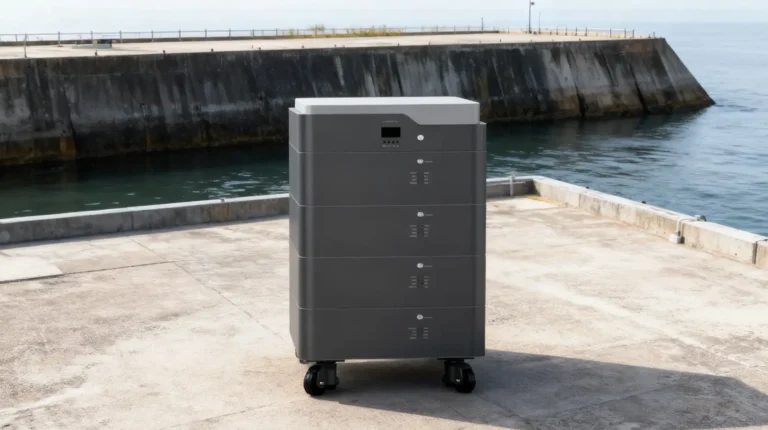
That’s why it’s smart to choose modular systems—like the 10kW 10kWh Stacked Home Solar Lithium Battery Backup Energy Storage System —that can adapt to new safety requirements without full system replacement.
Real-World Applications
Compliance isn’t just a headache. It directly impacts how your system performs in different settings.
- Residential Homes: A homeowner installing a 25.6V 300Ah Whole House LiFePO4 Solar Lithium Battery Storage must follow NEC codes for wiring, grounding, and interconnection with rooftop solar.
- Telecom Facilities: Regulations require 20% capacity margins, annual testing, and UL-listed batteries for reliability.
- Community Projects: Fire marshals enforce spacing rules and emergency response plans for large-scale storage fields.
Each scenario shows how compliance translates into safer, more reliable energy.
Common Compliance Mistakes to Avoid
- Skipping Local Permits – Even if your system meets UL and NFPA, local AHJs (Authorities Having Jurisdiction) may have extra rules.
- Ignoring Ventilation – Enclosures must allow air flow to avoid overheating.
- Mixing Certified and Non-Certified Components – Inspectors often reject projects that blend uncertified parts.
- Under-Documenting the Project – Missing certifications, drawings, or commissioning reports lead to failed inspections.
How Compliance Builds Long-Term Value
Following the rules may feel tedious, but it pays off.
- Insurance Acceptance: Insurers demand proof of compliance before coverage.
- Resale Value: A compliant installation adds property value.
- Grid Access: Utilities only allow interconnection if your system meets codes.
- Lower Liability: Proper installation reduces risk of lawsuits or accidents.
Final Thoughts
Compliance is not an afterthought—it’s the backbone of a successful battery installation. The good news? You don’t have to tackle it alone. When you choose certified products and keep up with evolving standards, you make the process smoother and safer.
Whether you’re looking at a compact 3kW 5kWh All-in-One Home Battery Backup Energy Storage System for your home, or a larger 28.67kWh system for extended backup, following compliance standards ensures your investment delivers safe, reliable power for years to come.