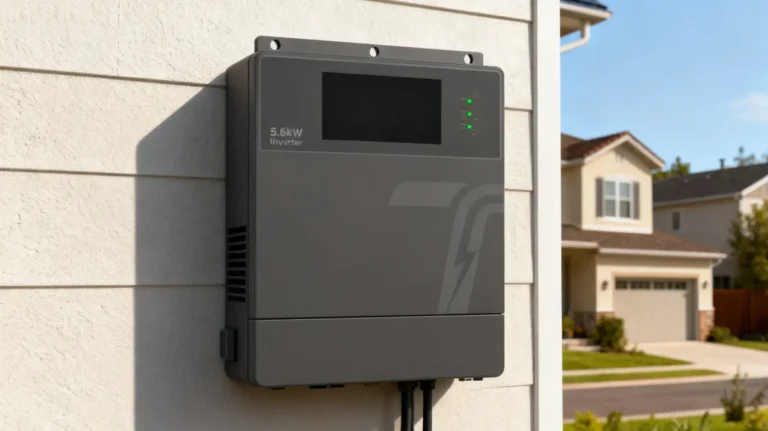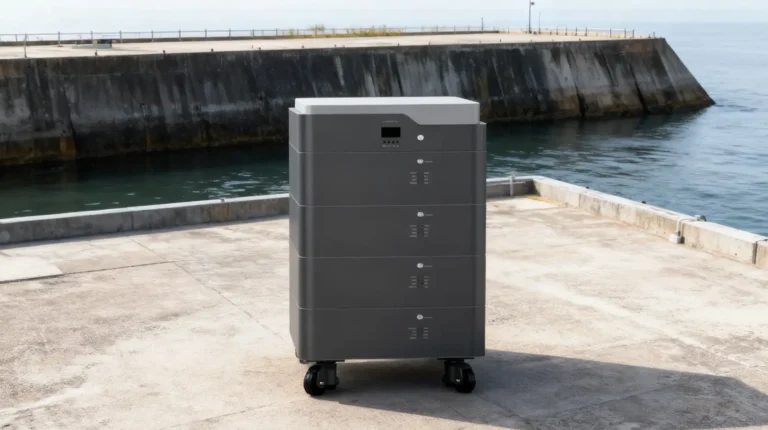

Walk into any modern hotel lobby and you’ll notice something: lights, elevators, HVAC systems, charging stations, and kitchens all pulling power at the same time. Electricity isn’t just a bill—it’s one of the biggest operating costs. Now add peak demand charges, unexpected blackouts, and guests expecting seamless service, and you’ve got a perfect storm. This is where all-in-one energy storage systems (ESS) step in. They don’t just keep the lights on—they cut costs, boost reliability, and strengthen a hotel’s sustainability story.
Let’s break down why hotels are turning to integrated storage solutions, and why the numbers make sense.
Cutting Peak Demand Charges
Hotels are notorious for energy spikes: check-in hours, morning showers, banquet events. Utilities love charging extra for those spikes—called demand charges—and they can make up 30–50% of a hotel’s power bill.
With storage, the hotel charges batteries during off-peak hours and discharges them when demand jumps. Instead of paying utility penalties, they flatten their load profile.
Case in point: A San Diego hotel with a 36 kW/60 kWh system cut its annual bill by around $16,000—on an upfront cost of $67,800 (before incentives) . Payback came in under five years, especially once subsidies were added.
Arbitrage: Buy Low, Use High
Energy arbitrage is simple: store electricity when it’s cheap, use it when it’s expensive. For hotels running 24/7 kitchens, laundry, and air conditioning, this tactic adds up.
Storage systems paired with time-of-use pricing models can shave 10–20% off energy costs annually depending on the region .
If you’re interested in how storage works in residential or small commercial setups, take a look at our solar battery for home guide. The same principle applies at larger scales—just with bigger numbers.
Backup Power = Peace of Mind
Imagine a blackout during a wedding reception or a corporate event. Losses aren’t just financial—they hit reputation.

All-in-one ESS provide instant switchover to backup without the noise or emissions of diesel gensets. That means elevators, emergency lighting, and internet stay online. Hotels in regions with unstable grids—think Southeast Asia, Africa, or parts of California—see this as insurance as much as savings.
And unlike traditional diesel backups, batteries can double as daily cost-savers, not just emergency equipment.
Incentives and Subsidies Shorten Payback
Governments are pushing storage hard. In the U.S., the Inflation Reduction Act extends investment tax credits for ESS until 2032 . States like California stack additional rebates. In Europe, subsidies vary but often cover 20–40% of upfront costs.
This turns what looks like a steep investment into a manageable, high-ROI project. Hotels tapping these programs often recover costs in under five years, compared to seven to ten years without support.
Sustainability = Stronger Brand
Guests notice when hotels walk the sustainability talk. Studies show over 60% of travelers prefer eco-friendly hotels, and many are willing to pay a premium for them .
Energy storage supports solar, reduces diesel reliance, and cuts carbon footprints. Hotels use this not just in ESG reports but in marketing campaigns—helping them win corporate clients who demand green certifications.
If you’re exploring sustainable battery solutions, our custom backup battery options dive deeper into what works for long-term strategies.
Real-World Data: Costs vs. Savings
Here’s a comparison of documented hotel storage projects and their outcomes:
| Hotel / Region | System Size | Upfront Cost | Annual Savings | Incentives | Payback Period |
|---|---|---|---|---|---|
| San Diego, USA | 36 kW / 60 kWh | $67,800 | $16,000 | Federal + State rebates | 4–5 yrs |
| Shore Hotel, CA | 100 kW+ | $250,000+ | 30–40% demand charge cut | State subsidies | <5 yrs |
| Extended Stay America | Multi-site rollout | Not disclosed | Reduced demand charges across portfolio | Tax credits | Portfolio ROI in ~5 yrs |
| Europe (various) | 50–200 kWh | €80,000–€150,000 | 15–25% energy bill savings | EU/Local rebates | 5–7 yrs |
Long-Term ROI and Lifespan
LiFePO₄ batteries, now common in commercial ESS, last 10–15 years with 6,000+ cycles . Spread across a decade, the annualized cost of ownership often ends up lower than continuing to buy peak-rate power.

Hotels also save on diesel fuel, maintenance, and compliance costs from backup generators. The more electricity markets shift toward renewables, the bigger the arbitrage opportunity becomes.
Challenges to Consider
It’s not all smooth sailing. Hotels need to weigh:
- Upfront capital — though subsidies reduce the sting.
- Space requirements — all-in-one units are compact, but large hotels may still need dedicated rooms.
- Integration — legacy systems, like old HVAC controls, may need upgrades.
- Regulation variance — incentive programs differ widely by country or even state.
These aren’t deal-breakers, but they’re worth flagging when pitching to management or investors.
The Bigger Picture
Hotels sit at the crossroads of high energy intensity and high customer expectations. ESS doesn’t just trim bills; it reshapes how hotels think about power—turning it from a liability into a managed asset.
- Financial case: lower demand charges, reduced bills.
- Operational case: instant backup, better reliability.
- Strategic case: brand boost, sustainability.
That’s a triple benefit with measurable outcomes.
Final Thoughts
All-in-one energy storage systems aren’t a futuristic add-on anymore—they’re becoming part of the core infrastructure for hotels that want to stay competitive. With the right setup, hotels can slash operating costs, protect guests from outages, and stand out as leaders in sustainability.
If you’re exploring solutions for commercial or residential needs, you’ll find more resources on solarbatteryforhome.com—from small backup systems to large integrations. The technology is ready, the incentives are strong, and the payback is proven.
Hotels that invest now aren’t just saving money—they’re building resilience for the decade ahead.