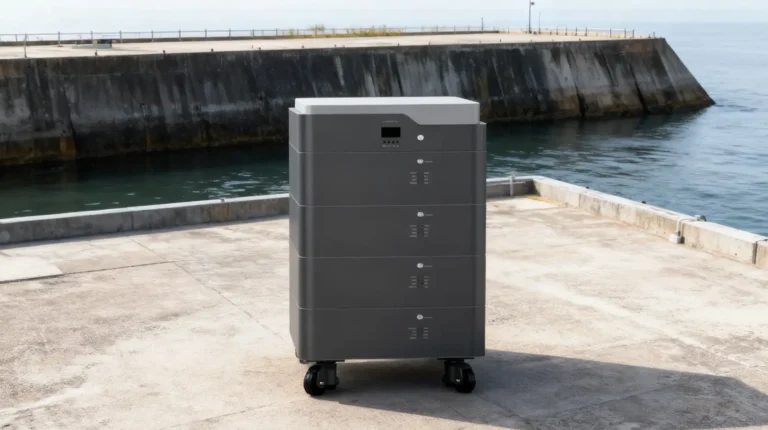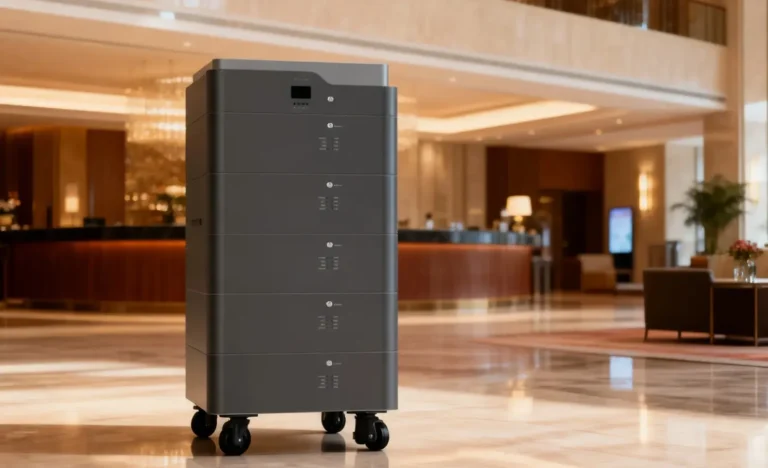

Walk through a suburban neighborhood today and you’ll notice something different on rooftops. Solar panels aren’t the only upgrade catching attention. More homeowners are replacing old inverters with 5.6 kW hybrid inverters—the kind that work with both solar and batteries. This isn’t just another gadget trend. It’s a shift in how people think about power, bills, and independence.
What Makes a Hybrid Inverter Special?
A hybrid inverter connects solar panels and batteries in one unit. Instead of using separate devices for solar and storage, you get a single hub that manages everything—directing solar power to the home, charging batteries, or sending energy to the grid.
Why 5.6 kW? That size fits the average suburban home: big enough to handle air conditioners, appliances, and lighting, but not oversized and expensive. For retrofits, it hits the sweet spot—easy to install in homes that already have a 5–6 kW solar array.
Learn more about battery-backed home energy systems at Solar Battery for Home.
Why Suburban Retrofits Drive the Demand
Most suburban houses already have solar panels. But many still run on old inverters that can’t connect to batteries. That’s a problem when electricity prices jump at night or when the grid goes down. Homeowners are upgrading because:
- They want to use more of their solar power directly.
- They need reliable backup during outages.
- They see tax credits and rebates cutting upfront costs.
- They’re planning long-term savings, not just short-term fixes.
Data and Market Trends
| Factor | Insight | Why It Matters for Suburban Retrofits |
|---|---|---|
| Battery Integration | Hybrid inverter sales are growing fastest in the battery-ready segment . | Existing solar homes can upgrade without rewiring everything. |
| Standards & Compliance | U.S. utilities require UL 1741SA and IEEE 1547 compliance . | A retrofit must pass inspections; hybrid units already meet standards. |
| Payback Time | With tax credits, payback can be 3–4 years . | Short enough for average families to justify investment. |
| Backup Power | Blackouts have increased by 64% in the past decade in some U.S. regions . | Suburban homes need backup for fridges, HVAC, medical devices. |
Real-World Retrofit Scenarios
These aren’t abstract numbers. They’re common retrofit setups in suburban neighborhoods:
- The battery add-on: A home with 5 kW of panels adds a 5.6 kW hybrid inverter plus a 10 kWh battery. Evening power bills drop 40%.
- The outage-proof house: In areas with frequent storms, families pair a hybrid inverter with backup batteries so essentials—lights, Wi-Fi, fridge—never go dark.
- The cost-watcher’s retrofit: A family sees their old inverter fail. Instead of replacing it with the same type, they switch to hybrid. The upfront cost is higher, but rebates make it affordable, and bills shrink within a few years.

For step-by-step guides, check our breakdown on battery backup systems.
Benefits Driving the Popularity
A. Energy Independence
Hybrid inverters let homeowners store power when rates are low or when the sun is shining. That stored energy runs appliances at night, cutting reliance on the grid.
B. Backup Security
Power outages aren’t rare anymore. From wildfires to hurricanes, suburban grids face more stress. A 5.6 kW system can keep essentials running.
C. Smarter Economics
Instead of selling cheap daytime power back to the grid, homeowners keep it and avoid buying costly evening electricity.
D. Policy Boosts
Incentives like the 30% federal solar tax credit make hybrid retrofits financially attractive. Many states add rebates on batteries, further lowering costs.
See more about home energy savings and tax credits at Solar Battery for Home.
Challenges You Can’t Ignore
No upgrade is perfect. Retrofits face hurdles:
- Upfront Costs: A hybrid inverter plus batteries isn’t cheap. Even with rebates, the first bill stings.
- Installation Complexity: Retrofitting means checking wiring, panel sizes, and breaker boxes.
- Maintenance: Batteries have lifespans, usually 10–15 years, so replacement costs must be planned.
- Roof Space & Shading: If your roof can’t fit extra panels, the system depends heavily on batteries.
Being clear about these issues builds trust. People don’t want sales talk—they want real trade-offs.
Comparison Table: Traditional vs. Hybrid Retrofit
| Feature | Traditional Inverter Retrofit | 5.6 kW Hybrid Inverter Retrofit |
|---|---|---|
| Battery Ready | No | Yes |
| Backup in Outages | None | Lights, fridge, Wi-Fi, HVAC (if sized right) |
| Payback Period | 6–8 years | 3–4 years (with tax credits) |
| Grid Dependence | High | Lower—self-consumption boosts |
| Installation Effort | Easier | More checks needed but scalable |
Writing Tone and Lessons from Industry Content
Industry blogs and reports use a mix of styles:
- Market reports focus on trends, standards, and data.
- How-to guides break down technical choices for homeowners.
- Forums show the real worries: “Will this keep my AC running at night?”
To stand out, content needs to blend these voices: give numbers, show how it works, and speak directly to homeowners’ concerns. That’s the balance we keep at Solar Battery for Home.
The Bottom Line
The popularity of 5.6 kW hybrid inverters in suburban retrofits isn’t hype—it’s practical. Families want lower bills, reliable power, and smarter systems that fit existing setups. Hybrid inverters tick all three boxes.
If you already have solar panels, the next step is clear. Upgrading your inverter could be the difference between sending power away cheap and keeping it for your family’s needs.
Check out more retrofit solutions and guides at Solar Battery for Home.