
When storms hit, grids fail, or wildfires force evacuations, municipal emergency shelters have one job—stay open and keep people safe. But lights, HVAC, water pumps, and medical equipment don’t run on hope. They need steady power. That’s why stacked all-in-one systems, especially around the 20 kWh range, are gaining ground in shelter planning. They’re compact, modular, and tough enough to handle the chaos of real emergencies.
Why Emergency Shelters Need Independent Power
Municipal shelters aren’t just gyms with cots. They’re lifelines. Inside, people expect:
- Medical support (refrigeration for meds, oxygen concentrators, emergency lighting).
- Basic comfort (heating or cooling, water heating, phones charging).
- Safety (lighting, security systems, communications gear).
Traditional diesel generators cover some of this. But they’re noisy, fuel-dependent, and often fail if supply lines break. Lithium-based all-in-one systems solve that gap. A stacked 20 kWh system delivers quiet, immediate backup for hours or days, depending on load.
What 20 kWh Stacked All-in-One Means in Practice
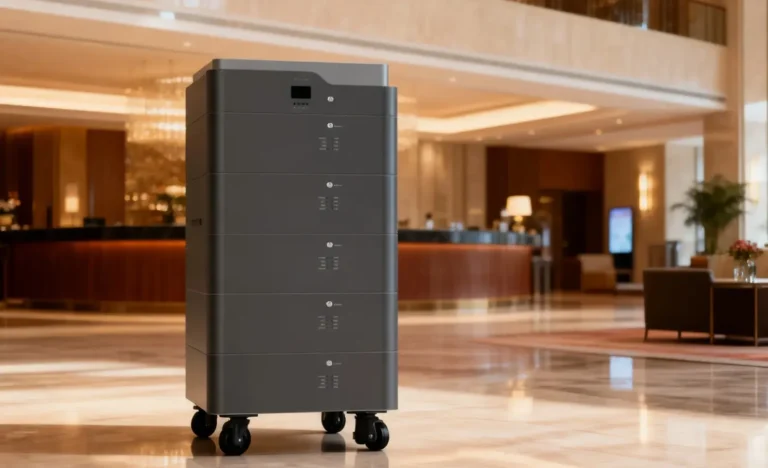
“Stacked” means modular units that click together vertically—no messy racks or endless cables. Each stack has its own battery, inverter, and management system, then scales by adding blocks. At 20 kWh, one shelter can:
- Power a 3-ton HVAC for 8–10 hours.
- Run 50+ LED lights and fans for several days.
- Support a small clinic setup (ventilators, refrigeration, pumps) with margin.
You can see a reference design here: 20kW 20kWh Stacked Home Solar Lithium Battery Backup Energy Storage System.
Evidence From Current Deployments
Shelter battery systems aren’t theory. Cities and NGOs are already testing:
- EU Solar field research found modular systems between 5–20 kWh keep critical services alive when paired with solar and BMS monitoring. These units switch seamlessly during outages, reducing downtime.
- Sesame Solar rolled out pop-up shelters using hybrid nanogrids. Their modules integrate solar, hydrogen, and battery storage, deployable in under 30 minutes.
- 8M Solar noted that battery-supported shelters extend beyond lighting: hot showers, cooking, and climate control all become feasible.

This aligns with real specs available today, like 10kW 10kWh Stacked Home Solar Lithium Battery Backup Energy Storage System or 25kW 25kWh Stacked Home Solar Lithium Battery Backup Energy Storage System, depending on site demand.
Technical Highlights That Matter in Shelters
- Scalability Add or remove modules depending on expected headcount. A 200-person shelter may need 20 kWh, while 500+ needs 40–60 kWh.
- Smart BMS (Battery Management Systems) Continuous monitoring prevents over-discharge, balancing safety with longevity.
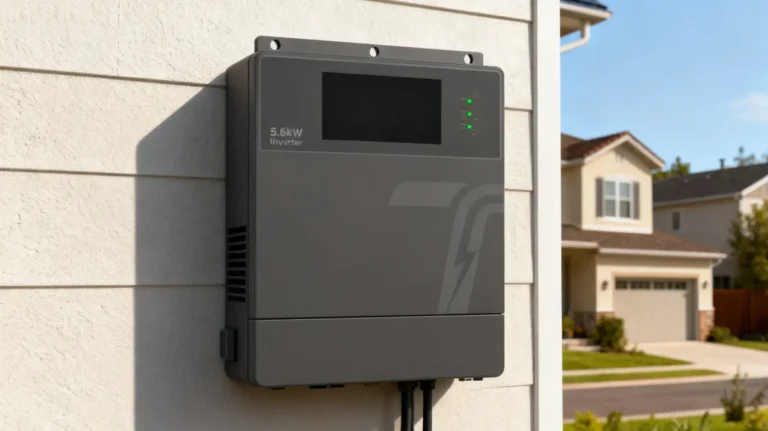
- Hybrid Integration Works with solar or portable inverters. For example, pairing with a 10kW Hybrid MPPT Solar Inverter means shelters can pull from grid, generator, or PV panels without rewiring.
- Safety & Compliance Systems align with IEC 62619 and UN38.3, critical for municipal procurement. Fire suppression, temperature sensors, and overcurrent protection reduce liability.
Data Snapshot
| Load Type | Average Power Need | Runtime with 20 kWh System | Notes |
|---|---|---|---|
| LED Lighting (50 units) | ~1.5 kW | 13+ hours | Covers full gym or hall |
| HVAC (3-ton) | ~2.5 kW | 8–10 hours | Critical in extreme heat/cold |
| Medical Refrigeration (2 fridges) | ~400 W | 40+ hours | Protects insulin/vaccines |
| Charging (100 phones @10W) | ~1 kW | 20 hours | Keeps communication alive |
| Water Pumps (1 HP) | ~750 W | 26 hours | Ensures sanitation |
Cost and Reliability vs. Diesel Generators
Diesel remains standard in many regions. But numbers tell a different story:
- Fuel Dependency: A 20 kWh battery stack doesn’t need deliveries. Diesel burns ~1 gallon/hour for a 7 kW load—impossible if roads are blocked.
- Maintenance: Generators demand monthly runs, oil changes, and filters. Lithium systems? Minimal upkeep.
- Noise & Emissions: Batteries are silent and emission-free, important for crowded gymnasiums or schools.
Long term, stacked ESS units save money by avoiding fuel and service contracts. Municipalities often recoup costs within 5–7 years.
Real-World Applications
- Hurricane-prone states: Shelters integrate batteries with rooftop solar for days of autonomy.
- Earthquake regions: Grid collapse can last weeks. Stacked systems bridge until lines are restored.
- Wildfire zones: Evacuation shelters rely on batteries when diesel storage poses fire hazards.
In each case, modularity means shelters scale power up or down without redesigning electrical infrastructure.
Why 20 kWh Hits the Sweet Spot
Go too small (5–10 kWh) and the system can’t support HVAC or medical gear. Go too large (60 kWh+) and costs rise steeply, limiting deployment. Twenty sits in the middle:
- Enough for medium-sized shelters.
- Affordable per kWh.
- Easy to stack into 40 kWh when needed.

Think of it as the “minimum effective dose” for urban emergency shelter power.
Municipal Decision Factors
When cities plan, procurement teams weigh:
- Certification: IEC/UL compliance is non-negotiable.
- Supplier reliability: Proven OEM/ODM capacity reduces risk.
- Lead time: Shelters can’t wait months; quick-ship matters.
- Support: Local service and clear manuals ensure staff can operate units.
Vendors who package batteries with inverters, racks, and hybrid compatibility win contracts faster.
Final Thoughts
Emergency shelters can’t gamble on diesel alone. A 20 kWh stacked all-in-one isn’t just backup—it’s resilience you can scale. For municipal buyers, the case is clear: modular, quiet, safe, and proven in the field. And for suppliers, showing how these systems support real-world shelter functions is the way to earn trust.
If you’re exploring options, start with practical systems like the 20kW 20kWh Stacked Home Solar Lithium Battery Backup Energy Storage System , and consider pairing with hybrid inverters for maximum flexibility. Municipal shelters don’t need hype. They need power that works—day one, and every day after.