Why This Topic Matters
Imagine a hospital during a sudden blackout. Monitors stop blinking, ventilators go silent, and medication coolers start warming. It’s not just inconvenient—it’s dangerous. Even short power cuts can put patients at risk. That’s why backup batteries have become essential for both hospitals and home care.
At Solar Battery for Home , we’ve seen how reliable storage systems can keep critical devices running smoothly, from CPAP machines in bedrooms to surgical tools in operating rooms.
The Growing Power Challenge in Healthcare
Healthcare facilities depend on uninterrupted electricity more than any other sector. Think about it:
- Intensive Care Units need ventilators running nonstop.
- Operating theaters can’t afford a flicker of light outage.
- Pharmacies must store vaccines and drugs at precise temperatures.
But with aging grids, extreme weather, and rising demand, outages are becoming more frequent. A survey by ECRI (Emergency Care Research Institute) listed electrical power failures as one of the top 10 health technology hazards in recent years.
Why Backup Batteries Are Different
Generators have long been the go-to solution. They’re powerful, but they take time to start, need fuel, and produce noise. Batteries step in instantly, bridging that gap until larger systems take over—or in smaller setups, replacing the need for generators altogether.
Quick Comparison
| Feature | Backup Batteries | Generators |
|---|---|---|
| Response Time | Instant | 10–60 seconds |
| Noise | Silent | Loud |
| Maintenance | Low | Regular servicing |
| Fuel Requirement | None | Diesel or gas |
| Eco Impact | Clean | Emissions |
This quick reaction is vital in healthcare. Even a few seconds of downtime can cause equipment resets, data loss, or worse—patient harm.
Applications in Hospitals
Critical Care Equipment
Ventilators, infusion pumps, and dialysis machines all depend on continuous electricity. Hospitals often use UPS (Uninterruptible Power Supply) systems powered by lithium batteries to keep them alive during blackouts.

Surgical Operations
Modern operating theaters run multiple electronic tools—lights, anesthesia machines, cauterizers. A battery backup ensures no interruptions mid-procedure.
Pharmacy & Labs
Vaccines and insulin need refrigeration. Studies show many vaccines lose potency if exposed to room temperature for even an hour. A steady battery supply prevents costly waste and patient risk.
Example: During Hurricane Sandy in 2012, hospitals in New York struggled when their generators flooded. Facilities that had UPS systems were able to sustain critical equipment longer and with less chaos.
Applications in Home Care
It’s not only hospitals that need reliable power. More patients are being cared for at home with devices like:
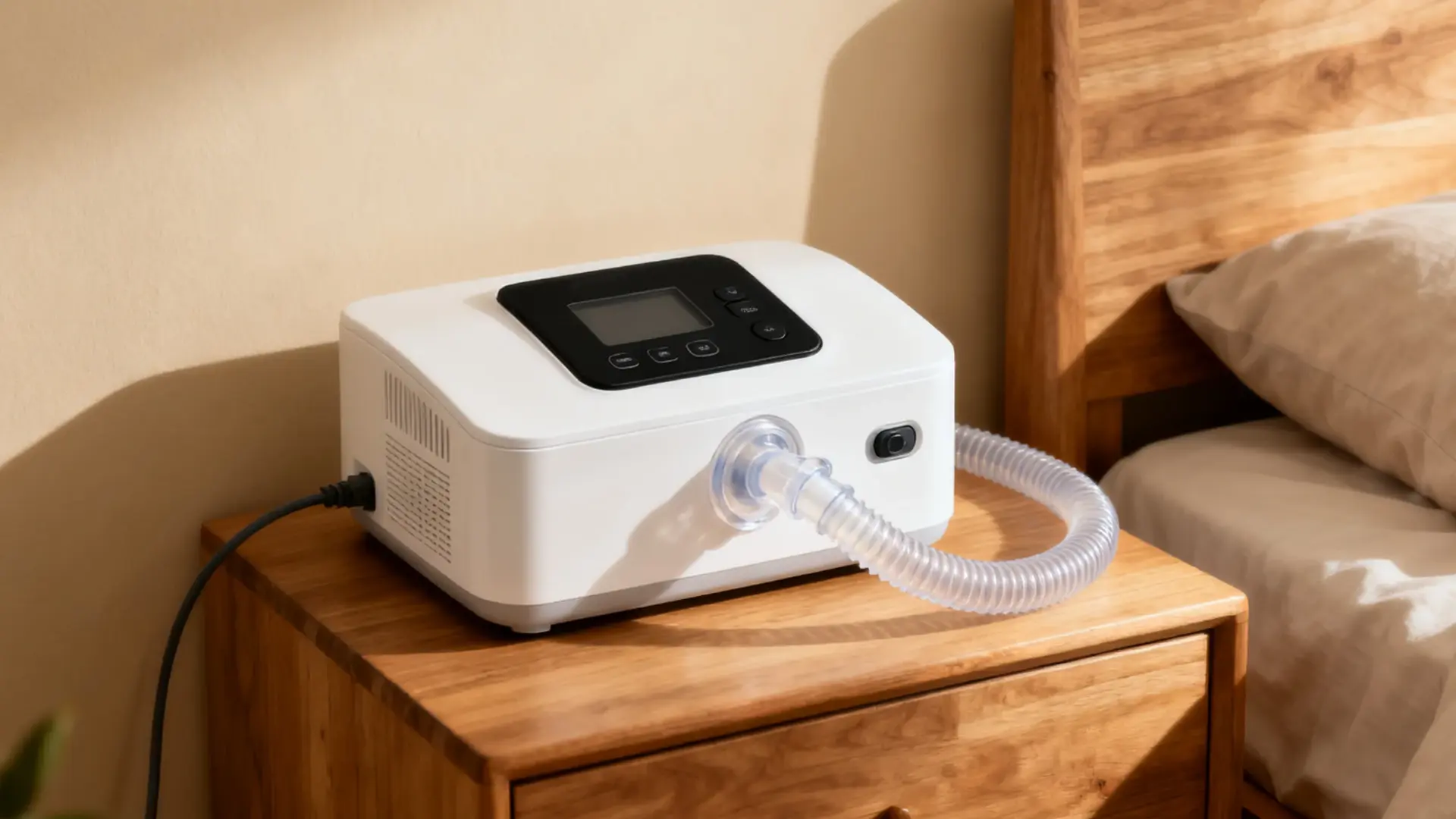
- CPAP machines for sleep apnea
- Oxygen concentrators for respiratory issues
- Home dialysis units
A sudden power outage at night could mean interrupted therapy or worse. A compact solution like the 25.6V 100Ah LiFePO4 Solar Lithium Battery is enough to keep smaller devices powered through the night.
For larger needs, such as running oxygen concentrators and a fridge simultaneously, families often choose systems like the 51.2V 200Ah LiFePO4 Solar Lithium Battery .
Data Snapshot: Typical Device Loads
| Equipment | Avg. Power Draw (Watts) | Backup Duration with 5.22kWh Battery |
|---|---|---|
| CPAP Machine | 30–60 W | 3–5 nights |
| Oxygen Concentrator | 300–600 W | 8–14 hours |
| Portable Ventilator | 60–100 W | 2–3 days |
| Medical Fridge | 150 W | 1.5 days |
(Example battery: 25.6V 100Ah LiFePO4 Solar Lithium Battery )
Integration with Inverters and All-in-One Systems
Healthcare facilities and households often need more than just batteries. They need intelligent power management. That’s where inverters and all-in-one storage systems come in.
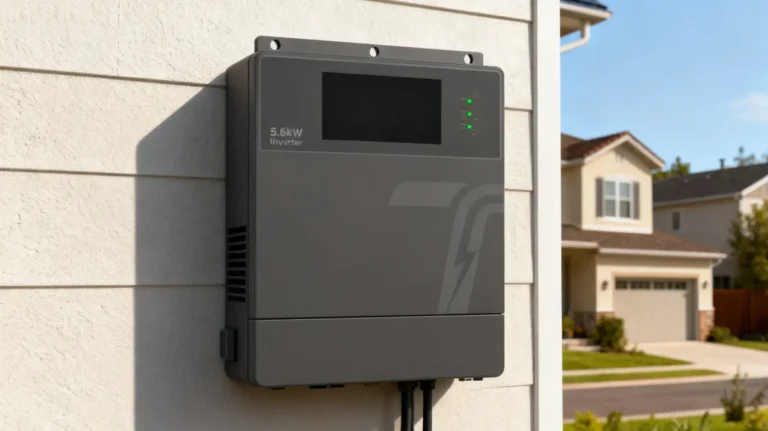
For example, a 5kW Hybrid Inverter can seamlessly switch between grid, solar, and battery power. Hospitals use such systems to prioritize critical equipment automatically, while homes benefit from peace of mind when storms hit.
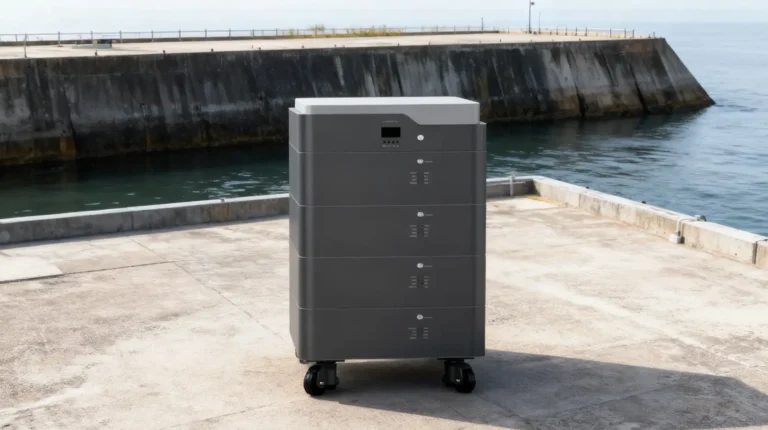
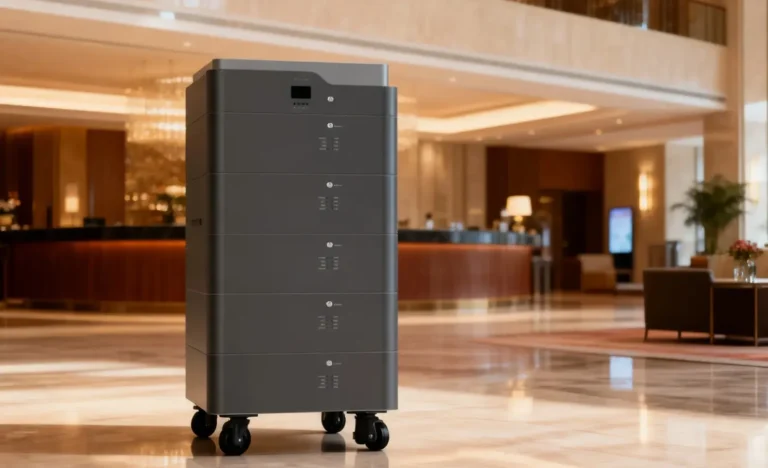
All-in-one systems like the 10kWh Stacked Energy Storage System are compact, scalable, and easy to install—ideal for clinics or small labs that don’t want to manage separate units.

Maintenance Matters
Even the best battery systems need periodic checks:
- Capacity Testing: To ensure actual performance matches rated capacity.
- Firmware Updates: Many systems now come with smart monitoring.
- Temperature Control: Batteries last longer in controlled environments.
Hospitals schedule UPS maintenance just like any other safety drill. For homes, annual checks are usually enough.
Business and Economic Value
For Hospitals
- Reduced downtime costs (every canceled surgery costs thousands).
- Compliance with health regulations.
- Reputation protection during crises.
For Families
- Lower risk of emergency hospital visits due to equipment shutdown.
- Energy savings when paired with solar.
- Long-term stability compared to relying only on the grid.
Real-World Triggers Driving Demand
- Extreme Weather: Hurricanes, heatwaves, and ice storms are causing record outages.
- Aging Infrastructure: Many grids weren’t built for today’s loads.
- Rising Home Care Trends: More patients prefer treatment at home, increasing reliance on devices.
Key Takeaways in Simple Terms
- Hospitals can’t afford downtime. Backup batteries keep critical care safe.
- Homes with medical devices need compact solutions for peace of mind.
- Batteries react instantly while generators lag.
- Data shows: even small units can cover multiple nights of life-support equipment.
- Smart systems like hybrid inverters make integration smooth.
Final Thoughts
Backup batteries aren’t just about keeping lights on. They’re about keeping people alive, comfortable, and safe. From ICU wards to living rooms, the need for reliable, silent, and immediate power is undeniable.
If you’re exploring solutions for your home or facility, check out our range of systems—from 2.61kWh compact batteries for small medical devices to 28.67kWh heavy-duty units for larger operations—directly at Solar Battery for Home .